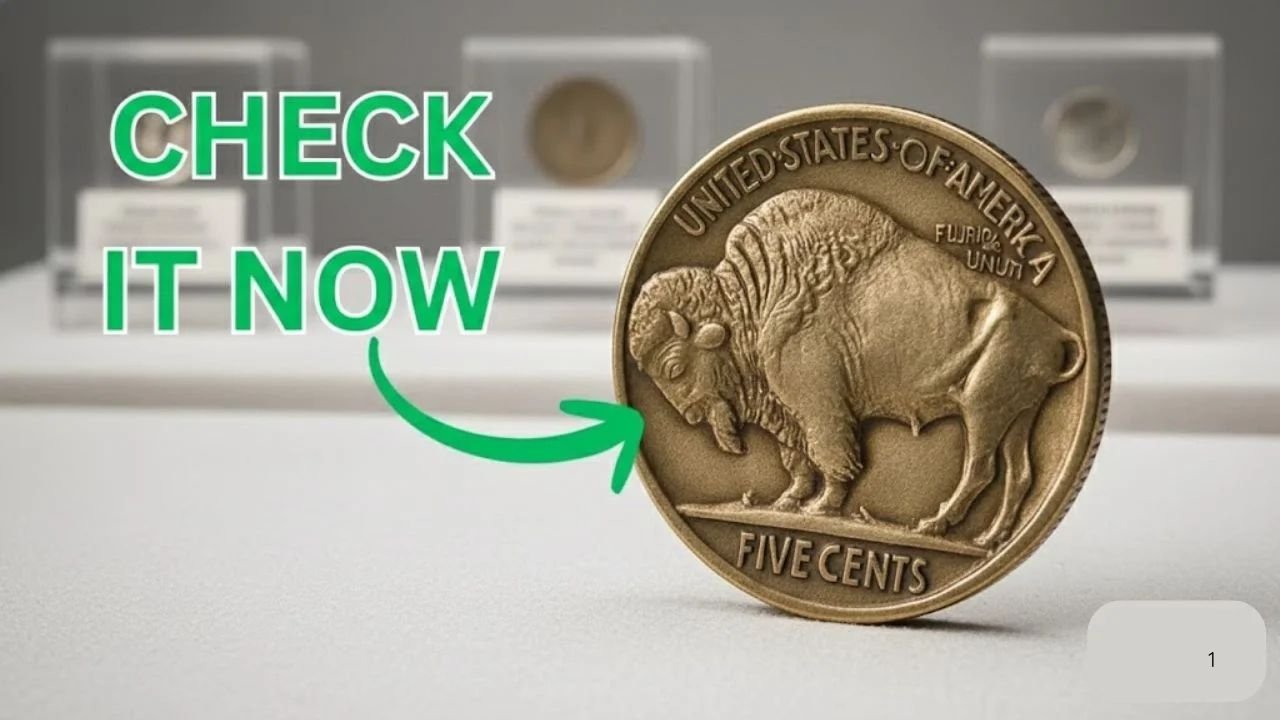
Discovering a Buffalo Nickel in your pocket or coin jar can feel like stumbling upon a small fragment of American history. While most of these five-cent coins are modest collectibles, a select few have achieved staggering values, capturing the fascination of coin enthusiasts worldwide. The Buffalo Nickel, officially known as the Indian Head Nickel, embodies both artistry and history, and rare examples have transformed from everyday currency into prized treasures worth millions.
The Story Behind the Buffalo Nickel Design
Minted from 1913 to 1938, the Buffalo Nickel was the creative vision of sculptor James Earle Fraser. Fraser sought to capture the essence of the American spirit, blending artistry with a reflection of the nation’s heritage. The obverse features a composite portrait inspired by several Native American leaders, giving the coin a bold and authentic character. The reverse depicts a robust American bison, representing the strength and vastness of the American plains. This combination of cultural significance and striking design set the Buffalo Nickel apart from earlier, more conventional U.S. coins.
Although millions were produced for daily use, the intricate details of the coin made it vulnerable to wear, a factor that plays a pivotal role in determining the value of collectible examples today.
Key Features of the Buffalo Nickel
| Feature | Details |
|---|---|
| Years Minted | 1913–1938 |
| Designer | James Earle Fraser |
| Obverse Design | Native American profile |
| Reverse Design | American bison |
| Common Composition | Copper and nickel |
| Key Value Factors | Rarity, condition, mint errors |
| Famous Varieties | 1913 issues, major errors |
| Circulation Status | Occasionally found in collections |
How a Buffalo Nickel Reached Legendary Status
The most valuable Buffalo Nickels often originate from transitional years or feature unique mint errors, particularly from 1913. These coins were produced during periods of design changes at the U.S. Mint, resulting in small quantities of unusual examples. Over the decades, verified specimens of these rare nickels have sold at auctions and private sales for millions of dollars, with one exceptional piece reaching an astounding $15.1 million.
Such extreme valuations are the result of a perfect storm of rarity, historical significance, and preservation. While most Buffalo Nickels remain modestly priced, these legendary examples serve as a reminder of how a seemingly ordinary coin can become a record-breaking collectible.
Factors That Determine Buffalo Nickel Value
Not every Buffalo Nickel carries a high price tag. Several key factors influence value:
- Rarity: Low mintage coins or unusual varieties attract strong collector interest.
- Mint Marks: Coins from Denver or San Francisco often have increased desirability.
- Condition: The detailed designs of the Native American profile and the bison wear quickly. Coins with sharp, clear features command higher prices.
- Minting Errors: Missing elements, doubled designs, or unusual details can significantly enhance value.
Identifying a Potentially Valuable Buffalo Nickel
When examining a Buffalo Nickel, collectors focus on a few essential elements:
- Date and Mint Mark: Only coins minted between 1913 and 1938 are valid. Mint marks appear below the “Five Cents” inscription on the reverse.
- Condition: Inspect the coin carefully for remaining detail. Use magnification to check for unusual characteristics, such as doubling or missing features.
- Authentication: If a coin appears rare or unusually well preserved, professional grading is strongly recommended to verify authenticity and market value.
Proper Handling of Valuable Coins
Handling a potential treasure requires care. Always hold the coin by its edges to avoid surface damage, and never attempt to clean or polish it, as this can permanently reduce value. Storing coins in protective holders preserves condition while seeking expert evaluation. Consulting reputable dealers or professional grading services ensures accurate identification and pricing. Even if a coin proves to be common, the experience offers invaluable insight into the world of numismatics.
Frequently Asked Questions
Are all Buffalo Nickels valuable?
No. Most Buffalo Nickels have modest value unless they are rare dates, error coins, or in exceptional condition.
Can Buffalo Nickels still be found today?
Yes. While the rarest examples are scarce, these coins occasionally surface in old collections, estate sales, or inherited coin jars.
Does cleaning increase a Buffalo Nickel’s value?
No. Cleaning often decreases value by damaging the original surface.
Which years are most important for collectors?
Early years, especially 1913, and coins from Denver or San Francisco mints are of greatest interest.
Should rare coins be professionally graded?
Absolutely. Professional grading confirms authenticity and provides a reliable market value estimate.
From Pocket Change to Million-Dollar Treasures
The story of the Buffalo Nickel illustrates how ordinary currency can become extraordinary. Coins that once circulated as everyday money now hold immense historical, artistic, and financial value. For collectors, discovering a Buffalo Nickel in excellent condition can transform a simple moment of nostalgia into the thrill of uncovering a legendary treasure. With careful handling, informed evaluation, and a deep appreciation for its history, the Buffalo Nickel remains one of America’s most fascinating and iconic coins, bridging the gap between the past and today’s dynamic collector market.