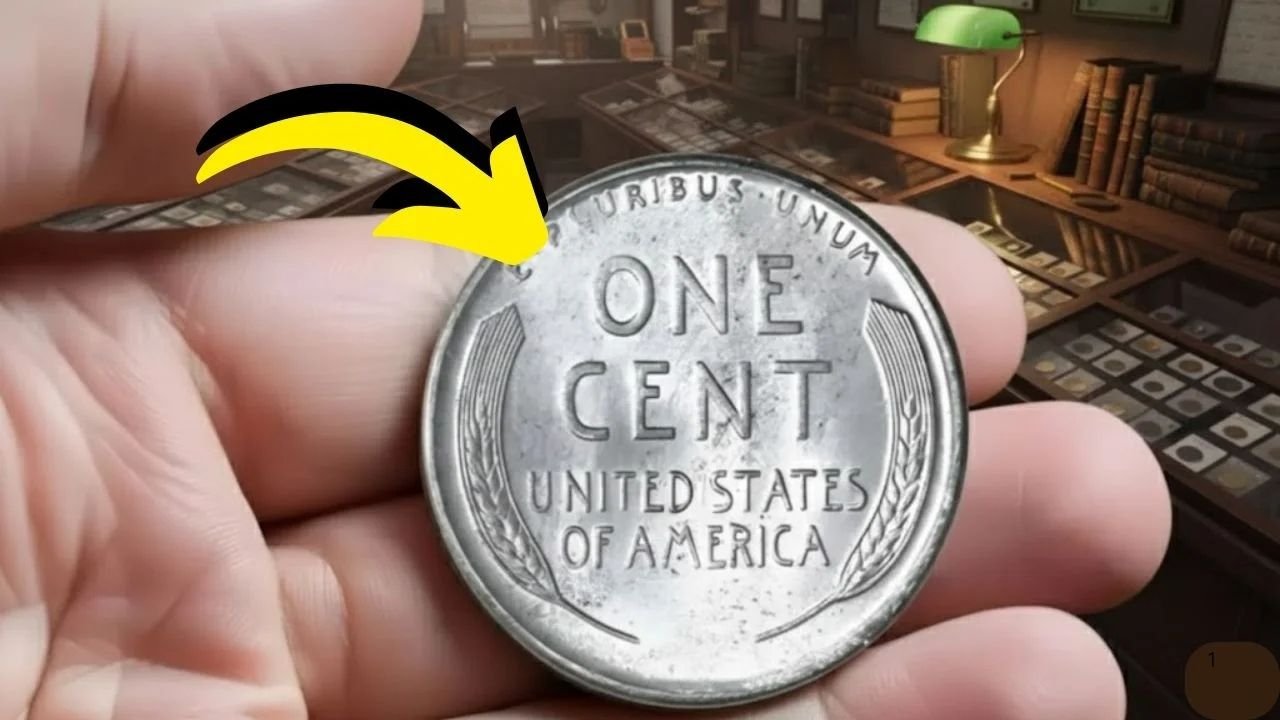
For most people, a penny is just spare change—easy to overlook and easy to forget. Yet the Lincoln Wheat Penny, first introduced in 1909, carries a deeper significance for collectors and history enthusiasts alike. Over nearly five decades of production, certain Wheat Pennies have emerged as highly desirable due to rarity, condition, or unique production details, making them prized collectibles even today.
How the Wheat Penny Became an American Classic
The Lincoln Wheat Penny was created to commemorate the 100th anniversary of Abraham Lincoln’s birth. It was the first U.S. coin to feature a real historical figure, replacing the symbolic Liberty designs that had dominated coinage. The reverse side showcased two wheat stalks, a simple yet elegant image symbolizing growth and prosperity. Circulating until 1958, the Wheat Penny became a familiar part of daily life, passing through countless hands and witnessing generations of American history.
Lincoln Wheat Penny – Complete Information Table
| Aspect | Details |
|---|---|
| Coin Name | Lincoln Wheat Penny |
| Years of Issue | 1909–1958 |
| Designer | Victor David Brenner |
| Reverse Design | Two wheat stalks |
| Primary Metals | Copper (varies by year) |
| Key Value Factors | Date, mint mark, condition, errors |
| Most Sought-After Types | Early issues, wartime errors, low-mintage years |
| Face Value | One cent |
| Potential Value Range | From face value to six figures |
| Authentication Services | PCGS, NGC |
What Truly Determines a Wheat Penny’s Value
A Wheat Penny’s value is influenced by much more than age alone. Mint location and year of production play crucial roles. Pennies from lower-production mints, particularly San Francisco or Denver, are often harder to find. Condition is equally important; coins with minimal wear are substantially more valuable than those that have circulated heavily. Minting errors—such as missing mint marks, doubled dies, or coins struck on the wrong metal—can elevate an otherwise ordinary penny into a rare collector’s treasure. Historical context, such as coins tied to major national events, further enhances desirability.
The Early Years and Their Lasting Impact
The first decade of Wheat Penny production is particularly significant for collectors. Early issues, including the 1909-S VDB, are some of the rarest and most sought-after coins. Limited mintages and initial design changes created enduring scarcity, ensuring that well-preserved coins from this period continue to command high attention in the numismatic market.
Scarcity and Errors in the Middle Decades
During the 1920s and 1930s, most Wheat Pennies were produced in larger numbers, but exceptions emerged. Certain minting errors and low-production years resulted in coins that remain difficult to locate today. Economic challenges during the Great Depression further limited production, creating additional scarcity that collectors prize.
Wartime Changes That Created Legendary Coins
The 1940s brought dramatic shifts in penny production. During World War II, copper was diverted to the war effort, resulting in the creation of steel cents in 1943. A small number of pennies were accidentally struck in copper, creating some of the most famous error coins in U.S. history. These wartime anomalies are now among the most coveted Wheat Pennies ever discovered.
The Final Years of the Wheat Penny
In the 1950s, production increased as the Wheat Penny design neared retirement. While most coins from this era are common, pristine, uncirculated examples or specially struck proofs remain desirable. These final issues mark the conclusion of a long-running and iconic series.
Tips for Anyone Interested in Collecting
Starting a Wheat Penny collection does not require finding rare coins immediately. Careful observation is key. Examine dates, mint marks, and condition to identify coins with potential value. Handle pennies gently and store them properly to preserve surfaces. For coins that appear unusual or exceptionally well-preserved, professional grading services such as PCGS or NGC can authenticate and assess condition accurately.
Why Wheat Pennies Still Matter
Beyond monetary worth, Wheat Pennies offer a tangible connection to history. Each coin represents a time when it was used in everyday transactions, witnessing social, economic, and political changes. Collecting them is as much about preserving history as it is about discovering value, making each penny a small but meaningful artifact.
Closing Thoughts
The Lincoln Wheat Penny reminds us that even the smallest objects can carry lasting significance. While uncovering a rare and valuable example is thrilling, the true reward often lies in the connection these coins create between past and present, turning a simple piece of change into a bridge across time.
Frequently Asked Questions
Are most Wheat Pennies valuable today?
Most are common and worth only a small premium unless they are rare dates, error coins, or in exceptional condition.
Which decades are most important for collectors?
The earliest years, the Great Depression era, and the wartime 1940s are especially significant due to scarcity and production changes.
What should I avoid when handling old pennies?
Never clean them. Always handle coins by their edges to protect the surfaces.
How can I confirm if my penny is rare?
Professional grading services such as PCGS or NGC can authenticate and evaluate coins accurately.
Is Wheat Penny collecting suitable for beginners?
Yes, it is beginner-friendly, offering both affordability and rich historical context.