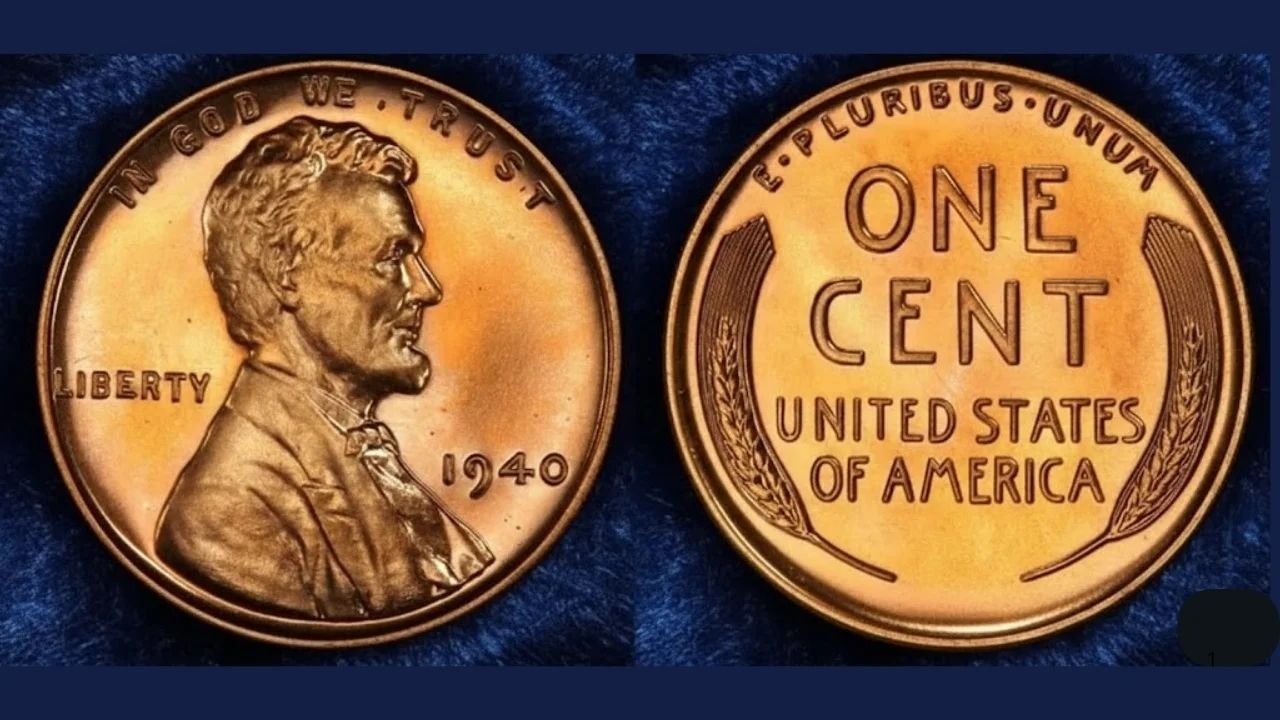
Imagine a small copper coin, worn smooth by decades of hands, resting forgotten in a jar or at the bottom of a drawer. To most, it’s worth a single cent. Yet to collectors, that same coin can represent a life-changing discovery—a tangible piece of history valued at extraordinary sums. The Lincoln Wheat Penny exemplifies how ordinary objects can hold hidden treasures, waiting for a discerning eye to recognize them.
The Enduring Legacy of a Humble Coin
The Lincoln Wheat Penny was introduced in 1909 to honor the 100th anniversary of Abraham Lincoln’s birth. It marked a significant shift in American coinage, becoming the first regular-issue U.S. coin to feature a real historical figure rather than an allegorical Liberty. For nearly fifty years, from 1909 to 1958, this penny facilitated everyday transactions, from buying bread to newspapers. Its elegant design by Victor David Brenner, featuring Lincoln’s profile on the obverse and two wheat stalks on the reverse, symbolized national prosperity and became an iconic emblem of American currency. Even after a new design replaced it, billions of these pennies remained in homes and pockets, most dismissed as relics of a bygone era.
Lincoln Wheat Penny: A Numismatic Profile
| Aspect | Details | Collector Significance |
|---|---|---|
| Years of Circulation | 1909 – 1958 | Represents nearly 50 years of American economic and social history |
| Designer | Victor David Brenner | Initials “V.D.B.” were controversially added and removed, creating key varieties |
| Metallic Composition | 1909-1942: 95% Copper, 5% Tin/Zinc; 1943: Zinc-coated Steel; 1944-1958: 95% Copper, 5% Zinc | 1943 steel cent reflects WWII resource allocation |
| Mint Marks | None (Philadelphia), D (Denver), S (San Francisco) | Mint mark location on the reverse defines the series |
| Notable High-Value Examples | 1909-S VDB, 1914-D, 1922 No D, 1931-S, 1943 Bronze, 1955 Doubled Die | Value driven by rarity, condition, and historical demand |
| Common Circulated Value | $0.03 to $1.00 | Affordable entry point for history enthusiasts |
| Grading Scale | “Poor” to “Mint State” | Professional grading ensures authentication for rare finds |
From Spare Change to Collector’s Treasure
Transforming a humble penny into a prized collectible depends on a mix of history, rarity, and chance. Most wheat pennies are common, yet a select few hold extraordinary value.
Scarcity and Historical Context: Some years had incredibly limited production. For example, the 1909-S VDB and 1931-S pennies were minted in small numbers, making surviving examples highly sought after. The 1943 copper penny is legendary—a wartime anomaly amidst steel cents.
Minting Imperfections: Flaws like doubled dies or missing mint marks create unique variants that narrate the minting process itself. These “mistakes” transform ordinary coins into objects of fascination.
Preservation: Condition is paramount. Coins that survived decades with minimal wear, or were preserved in uncirculated condition, are highly prized. A well-preserved wheat penny is more than currency—it’s a historical artifact.
The Thrill of Discovery
Could a high-value penny still be circulating today? While rare, the possibility fuels the excitement of coin collecting. Coins from forgotten collections, old rolls, or heirlooms may slip unnoticed into circulation. Rediscovery often comes as serendipity—a collector sifting through bank rolls or clearing out an attic jar may encounter a remarkable find.
Examining Coins Like a Collector
Approach your coins with care and curiosity:
- Handle with Care: Hold by edges to prevent oils from damaging the surface.
- Use Good Lighting and Magnification: Examine dates and mint marks with a bright light and a loupe.
- Know Key Dates and Marks: Focus on rarities like 1914-D, 1922 (no D), 1924-S, 1931-S, and the 1943 copper anomaly.
- Check for Unusual Features: Look for doubled lettering or anomalies compared to standard examples.
- Never Clean: Polishing or chemical cleaning destroys natural patina and significantly reduces value.
Frequently Asked Questions
Is it realistic to find a penny worth over $1 million?
While multi-million-dollar sales exist for the rarest specimens, most discoveries are worth $50 to $50,000. The thrill is in the hunt.
I think I found a 1943 copper penny. What should I do?
Perform a magnet test—steel pennies stick to magnets; copper does not. If it’s copper, handle carefully and consult a certified coin dealer. Beware of counterfeit alterations.
Where is the safest place to sell a rare penny?
Authenticate and grade it first via PCGS or NGC. Once “slabbed,” coins can be sold through reputable auction houses, specialty online marketplaces, or trusted dealers.
What makes the 1955 Doubled Die penny special?
It features dramatic doubling of the obverse lettering and date—a striking, collectible error coin widely recognized by numismatists.
Why should old coins never be cleaned?
Collectors prize original patina and surface integrity. Cleaning erases history, diminishes value, and is easily detected by experts.
A Personal Connection to History
Searching for a Lincoln Wheat Penny is more than a hobby—it’s a personal engagement with history. Every coin is a miniature chronicle, connecting collectors to the past. Whether you uncover a common 1956 penny or a rare 1914-D, each discovery represents a tangible piece of the American story. By understanding and respecting these coins, collectors preserve a slice of history, one penny at a time.