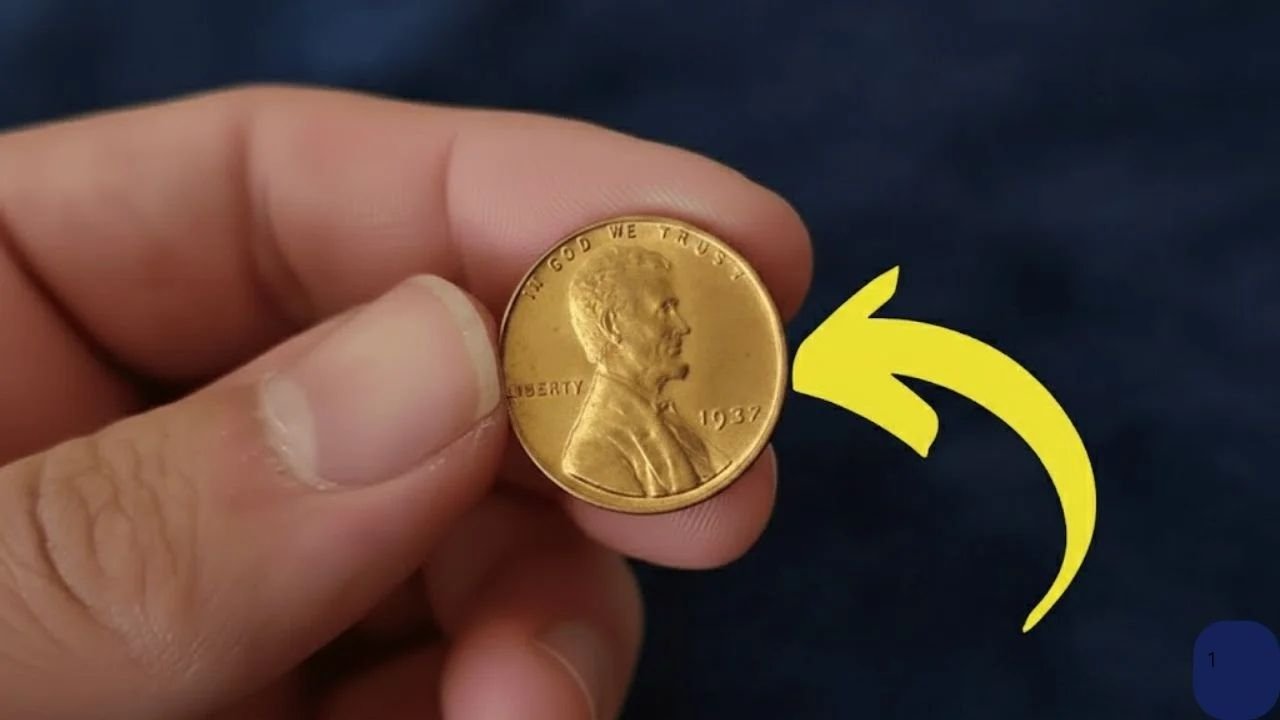
At first glance, a penny may seem inconsequential, yet the Lincoln Wheat Penny has proven that even the smallest coin can carry immense historical and financial significance. First issued in the early 20th century, this coin transformed American currency by introducing a real historical figure into everyday money. Over the decades, certain rare versions of this humble penny have reached valuations approaching $4 million, leaving collectors and enthusiasts wondering whether such treasures could still be hiding in plain sight.
How the Lincoln Wheat Penny Transformed American Coinage
The Lincoln Wheat Penny made its debut in 1909, marking a major shift in U.S. coin design. For the first time, a real president appeared on circulating currency, moving away from abstract or symbolic figures. Issued to commemorate the centennial of Abraham Lincoln’s birth, the penny connected everyday transactions with national memory, turning history into something people literally carried in their pockets.
Lincoln Wheat Penny Overview
| Feature | Details |
|---|---|
| Coin Name | Lincoln Wheat Penny |
| Years Issued | 1909–1958 |
| Designer | Victor David Brenner |
| Key Materials | Copper; Steel (1943) |
| Most Valuable Variants | 1909-S VDB, 1943 Bronze |
| Top Reported Value | Nearly $4 million |
| Common Circulation Value | A few cents to a few dollars |
| Best Authentication | PCGS or NGC grading |
The Thoughtful Design Behind a Timeless Coin
Sculptor Victor David Brenner created a design that combined dignity with simplicity. The obverse features a restrained, yet personal, portrait of Lincoln, while the reverse showcases two wheat stalks framing the denomination—a symbol of growth, stability, and agricultural roots. This iconic design endured for decades, becoming one of the most recognizable coin images in American history.
Why Some Wheat Pennies Command Millions
While most Wheat Pennies are common, a few stand apart due to limited minting or unusual production anomalies. The 1909-S VDB penny is among the most famous, featuring the designer’s initials. Public backlash led to the quick removal of the initials, leaving only a small number in existence. Another legendary rarity is the 1943 bronze penny. During World War II, pennies were supposed to be made from steel to conserve copper for the war effort, but a handful were accidentally struck in bronze. These extremely rare coins have become nearly mythical, with reported sales approaching $4 million.
The 1943 Bronze Penny: A Numismatic Legend
The accidental creation of bronze pennies in 1943 made them instantly valuable. Their scarcity, combined with the dramatic historical context of wartime production, has pushed these coins into the realm of extraordinary collectibles. Each confirmed bronze penny is a testament to both human error and historical circumstance, solidifying its place as one of the most coveted coins in numismatics.
Could a Rare Wheat Penny Still Be Found Today?
Though exceptionally rare, history demonstrates that remarkable coins can surface in unexpected places. Inherited collections, forgotten drawers, old coin jars, and even loose change have all yielded surprising discoveries. Because Wheat Pennies circulated for decades, it is not entirely impossible for a valuable example to remain unnoticed by someone unaware of its significance.
How to Examine a Wheat Penny
- Check the Date and Mint Mark: Focus on key years like 1909 or 1943. The mint mark can indicate Philadelphia (none), Denver (D), or San Francisco (S).
- Assess Material and Magnetism: A 1943 penny that is not magnetic and appears copper-colored may indicate a rare bronze strike.
- Evaluate Design Details and Wear: Originality and preservation matter greatly in determining value. Avoid coins with cleaning marks or damage.
- Consult a Professional: Any unusual penny should be evaluated by a certified numismatic expert, ideally through grading services like PCGS or NGC.
The Enduring Appeal of the Lincoln Wheat Penny
Beyond monetary value, the Lincoln Wheat Penny represents history, artistry, and human error. Each coin encapsulates a moment in time, making collecting both a personal and educational experience. Its design, rarity, and occasional minting anomalies invite curiosity and reward careful observation, turning even the smallest piece of change into a bridge to the past.
Frequently Asked Questions
Why are some Lincoln Wheat Pennies extremely valuable?
Value arises from rarity, historical importance, and minting errors that produced very limited quantities.
What does “VDB” mean on certain pennies?
These are the initials of Victor David Brenner, the coin’s designer.
How can I tell if my 1943 penny is rare?
If it is copper-colored and not magnetic, it may be a rare bronze version. Professional authentication is essential.
Should I clean an old penny before appraisal?
No. Cleaning can damage the surface and drastically reduce collector value.
Is it realistic to still find a valuable Wheat Penny?
While discoveries are rare, valuable coins do occasionally surface in old collections or long-stored change.
A Final Thought
The Lincoln Wheat Penny proves that history does not always reside in museums. Sometimes it waits patiently in a jar, a drawer, or a forgotten pocket. While finding a multi-million-dollar penny is unlikely, the act of examining these coins offers a tangible connection to the past, reminding us that even ordinary objects can carry extraordinary stories.