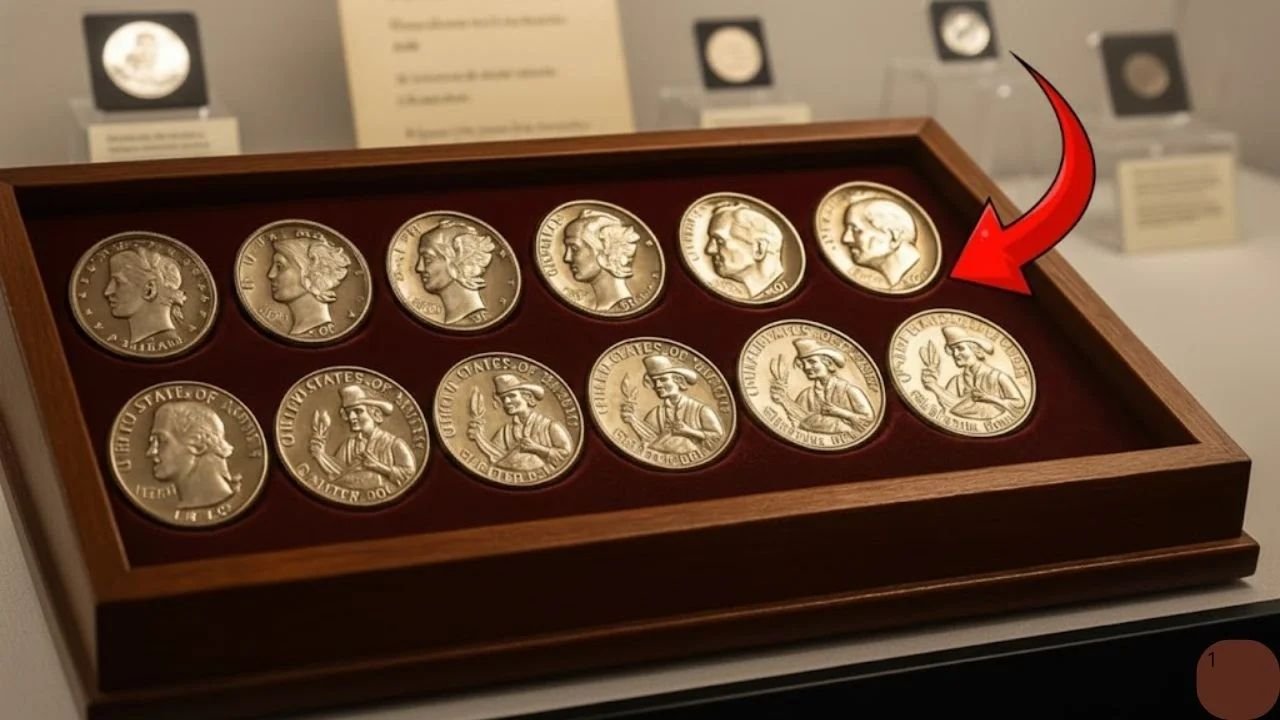
In 1976, the United States celebrated 200 years of independence, and this milestone was immortalized even in everyday currency. The U.S. Mint released a special Bicentennial Quarter that replaced the traditional eagle on the reverse with a colonial drummer boy, accompanied by a torch and thirteen stars representing the original colonies. The obverse retained George Washington’s familiar profile, but the date was uniquely shown as “1776–1976,” making the coin instantly recognizable. While millions were produced and circulated, a select few have emerged as extraordinarily rare, with estimated values reaching $270 million each in today’s collector market.
Why Some Bicentennial Quarters Are Exceptionally Rare
Not all coins derive value from age alone. Certain Bicentennial Quarters stand out due to unique production anomalies and preservation. Minting errors—such as off-center strikes, doubled images, or missing design elements—create coins that are inherently unique. Additionally, rare variations in metal composition can elevate a coin’s value. While the standard issue was struck in copper-nickel, a few coins may have been produced on experimental or incorrect planchets. When rarity, unusual traits, and excellent preservation converge, these coins become highly coveted by collectors worldwide.
Bicentennial Quarter Overview
| Feature | Details |
|---|---|
| Year Issued | 1976 |
| Special Date | 1776–1976 |
| Reverse Design | Colonial drummer boy with torch |
| Common Metal | Copper-nickel |
| Rare Variations | Mint errors, unusual planchets |
| Circulation Status | Occasionally found |
| Collector Interest | High for error and rare pieces |
The Role of Condition and Preservation
Condition is a decisive factor in the value of any coin. A quarter that shows no wear, scratches, or discoloration is far more desirable than one that has circulated extensively. High-grade coins from the 1970s are exceptionally rare, as most exhibit signs of regular use. Collectors also value originality: coins that have never been cleaned or altered retain their natural patina, enhancing both aesthetic and market appeal. Improper handling or cleaning can significantly diminish a coin’s potential value, even if it possesses rare characteristics.
Identifying a Potentially Valuable Bicentennial Quarter
A genuine Bicentennial Quarter always carries the “1776–1976” date beneath Washington’s portrait, with the reverse clearly displaying the drummer boy design. Beyond these basics, collectors examine subtle traits: unusual coloration, unexpected weight, or distinctive surface textures can indicate a rare variant. Mint marks provide additional clues—Philadelphia coins typically have no mark, Denver coins show a “D,” and San Francisco coins bear an “S.” Any deviation from these standards may warrant further professional investigation.
Steps to Handle a Rare Coin
- Handle Carefully: Always hold the coin by its edges to avoid fingerprints or oils from your skin.
- Avoid Cleaning: Cleaning can irreversibly damage the surface, reducing collector value.
- Use Protective Storage: Place the coin in a protective holder to prevent scratches or environmental damage.
- Seek Professional Evaluation: Reputable grading services, such as PCGS or NGC, can authenticate the coin and determine its condition accurately.
Beyond Financial Value: Historical Significance
Bicentennial Quarters carry meaning far beyond monetary worth. They commemorate a pivotal moment in American history, connecting collectors and enthusiasts to the nation’s heritage. Rare examples tell an even deeper story, combining historical significance with the unpredictability of minting. For collectors, owning such a coin is an opportunity to preserve a tangible piece of history, linking the past with the present in a highly personal way.
Frequently Asked Questions
Are all Bicentennial Quarters valuable?
No. Most are worth only their face value. Only coins with rare errors, unusual metal composition, or exceptional condition hold significant collector value.
Can rare Bicentennial Quarters still be found in circulation?
While highly unlikely, it is not impossible. Some rare coins have been discovered decades after release in coin jars, old collections, or estate sales.
Should I clean my coin before appraisal?
Absolutely not. Cleaning can damage the surface, drastically lowering its value.
Where can I get my coin evaluated?
Professional grading services like PCGS or NGC are the most reliable sources for authentication and grading.
Is the high estimated value guaranteed?
No. Value depends on confirmed rarity, condition, market demand, and professional authentication.
Final Thoughts
The story of these rare Bicentennial Quarters illustrates the intersection of history, craftsmanship, and chance. While discovering a coin worth millions is exceedingly rare, the process of examining, learning, and appreciating these coins offers its own reward. Each quarter serves as a reminder that extraordinary history can often be found in the ordinary objects we encounter every day, inviting curiosity and fostering a deeper connection to America’s past.